Overview
All countries from A to Z
Perpetual Traveler
Travelling without a fixed residence
Deregistration checklist
Worldwide health insurance
Driving licence
Deadlines, exchange and check
Contracts and pensions
Riester, building savings and more
Child benefit abroad
Entitlement after moving abroad
Retirees and pensioners
Pensions abroad
Living in Germany
What applies for tax
States compared
Florida, Wyoming, New Mexico
Do it yourself
Guide in 8 steps
Apply for an EIN
Your LLC's tax ID
Info & prices
Prices
All packages & services
Packages compared
Banking Pro, Pro Plus, VIP
US addresses without CMRA
Verified list for your account
Payment providers
Stripe, PayPal and Wise
Credit card & credit score
Guide to getting started
Credit cards compared
Points, credits, transfers
All packages & price calculator
Where can you legally pay less tax with your online business and still live well? Here you'll find countries from A to Z with the key facts on taxes, stays and residence. Each country page also tells you whether and how a US LLC fits that country.
By region: EU countries · Europe outside the EU · Overseas
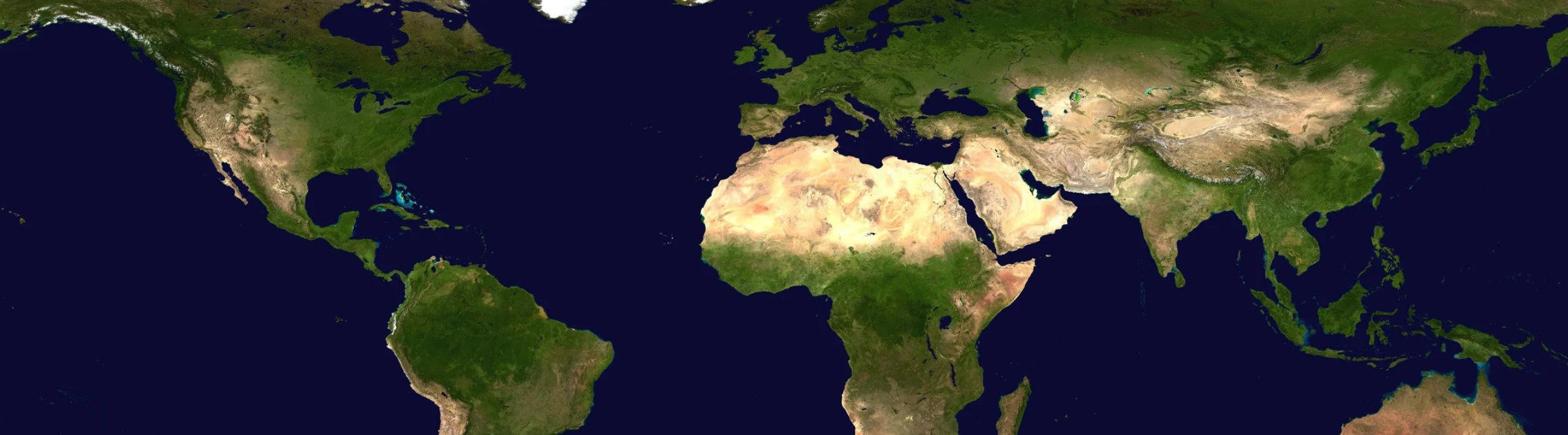
Tap a dot for the key facts. For Europe, it's worth zooming in.
Small self-employed businesses with revenue of up to 14 million lek pay 0% until the end of 2029; otherwise 15% and 23% apply. However, Albania taxes worldwide income, and the exemption does not apply to certain liberal professions.
A maximum of 10% income tax, and the first €24,000 is free of income tax. As a self-employed person, you need your own Andorran company and at least 183 days in the country for active residency.
Worldwide income instead of special regimes: residents pay 5 to 35% income tax, and small self-employed businesses can use the Monotributo. The wealth tax also covers assets abroad, but will fall significantly by 2027.
A high-tax country with rates of up to 45%, but on a temporary visa, foreign income remains tax-free. Work performed locally is still taxable, and business visas have not been open to new applications since 2024.
EU neighbor with no visa needed, but with rates of up to 55% on worldwide income and SVS contributions of around 26.8%. The relocation tax relief only applies to researchers, artists and athletes, not online entrepreneurs.
No income tax, no capital gains tax and no inheritance tax. For permanent residence, however, you need an investment of at least US$1 million, and there is no tax treaty with Germany.
Worldwide income taxed at up to 27.5%, plus a minimum tax and a dividend tax since 2026. The offshore law taxes foreign companies at 15% every year, and there has been no tax treaty with Germany since 2006.
EU country with a 10% flat tax on almost all income, 10% corporate tax and 5% on dividends. The euro has applied since 2026. From a German perspective, Bulgaria is a low-tax country within the meaning of § 2 AStG.
High quality of life, but a high-tax country: Canada taxes worldwide income, and with provincial tax the top rate is around 48 to 54%. The Start-up Visa has been closed since the end of 2025.
For three years, newcomers' foreign income is not taxed; after that, worldwide income is taxed at up to 40%. Note: the tax authority treats work you perform in Chile as Chilean income from the start, possibly even as a visitor. There is no tax treaty with Germany.
From 183 days within 365 days you are resident and pay tax on your worldwide income at up to 39%. The V Nómada Digital visa makes staying easier, but there is no comprehensive tax treaty with Germany.
Territorial taxation: as things stand, foreign investment income remains exempt in Costa Rica. However, work you perform locally is taxed. Exception: digital nomad status for up to two years.
EU country taxing worldwide income at rates from 15% to 33% depending on the municipality. Up to €60,000 in revenue, the Paušalni obrt offers a fixed lump-sum tax. The digital nomad program is only for non-EU citizens.
EU country with a non-dom regime: dividends and most interest remain SDC-free for up to 17 years. You can become tax resident with just 60 days a year, and income tax only applies above €22,000.
EU neighbor that taxes worldwide income, with marginal tax rates up to 60.5%. The expat regime of 32.84% for seven years only applies to employees of a Danish employer, not to the self-employed.
Territorial taxation with exceptions: investment income from abroad becomes taxable after three years, and so do residents' services, even for foreign clients. Residency under Ley 171-07 from a 1,500 USD pension.
Ecuador taxes worldwide income at up to 37%, but newcomers pay tax only on income from Ecuador for five years. Visas start at three basic wages a month, and the currency is the US dollar.
An EU country with a 22% flat tax and a €700 monthly allowance. Companies only pay tax on distribution. But e-Residency is not a residence: if you live in Germany, you remain taxable there.
Territorial taxation: income without a Georgian source stays tax-free for individuals. Sole proprietors with Small Business Status pay 1% on revenue up to 500,000 GEL, and Germans can stay visa-free for up to 360 days.
A British overseas territory outside the EU: companies pay 15% only on profits from Gibraltar, and wealthy individuals with Category 2 status have a tax cap. Self-employed people living there pay up to around 25% income tax.
EU country with tax rates up to 44%; you become resident with 183 days or the center of your life there. Newcomers can exempt 50% of their earned income from income tax for seven years, wealthy individuals pay a flat €100,000.
Territorial principle with low rates: profits are taxed at 8.25% to 16.5%, foreign income is not taxed. But if you live there and run your business from Hong Kong, the profit is taxable, and there is no tax treaty with Germany.
EU country with a 15% flat tax and 9% corporate tax. However, worldwide income is taxed, the self-employed also pay social contributions totaling 31.5%, and KATA currently does little for online entrepreneurs.
Bali with a remote worker KITAS (E33G) from USD 60,000 annual income. Tax residents pay 5% to 35% on their worldwide income; in return, you get an NPWP, a bank account and a certificate of residence.
English-speaking EU country with income tax of 20% and 40% plus USC and PRSI. Non-doms pay tax on foreign income only when it is remitted. But if you live in Ireland and work from there, that income is taxed normally.
EU country with rates up to 43% plus surcharges; you become resident through presence, residence or registered address. Special regimes: forfettario at 15% up to €85,000 in revenue, the flat tax for new residents and impatriati.
High-tax country with a temporary remittance basis: as a Non-Permanent Resident, for up to five years you only pay tax on foreign income that you remit to Japan. Work done locally is taxable, however, and the top rate is around 56%.
EEA country with income tax of up to around 22.4% and 12.5% for companies. Assets are subject to a 4% deemed return, and residence permits are scarce: half of them are allocated by lottery.
EU country right on the border with a tax treaty, but progressive tax of up to 42% plus a surcharge on worldwide income. The impatriate regime, under which half of your remuneration is tax-free, only applies to newly arrived employees.
Territorial principle in Southeast Asia: foreign income you remit to Malaysia is exempt for individuals until 2036. However, work you perform in Malaysia is taxed at up to 30%.
EU country with a remittance basis: as a non-dom, you only pay tax on foreign income when you remit it to Malta, and foreign capital gains are not taxed. However, work you perform in Malta as a resident is taxed normally.
Low tax rates with a remittance basis: most incomes pay at most 20%, and foreign income is only taxed when remitted to Mauritius. However, work you perform locally counts as Mauritian.
Worldwide taxation with rates up to 35% and RESICO from 1% for smaller self-employed businesses. Mexico attributes the profits of a transparent US LLC directly to you every year, even without a distribution.
No income tax for individuals except French citizens. But commercial profits with more than 25% foreign revenue cost 25%, residence requires a home and a bank reference, and there is no DBA with Germany.
Income tax up to 15% plus municipal surtax, corporate tax from 9% and the euro as currency. But Montenegro taxes worldwide income; residence is available via a company, property or digital nomad status.
EU neighbor with a box system: work and profit up to 49.5%, assets taxed on a deemed basis in Box 3, a BV from 19%. The 30% ruling only helps employees and drops to 27% for new cases from 2027.
Worldwide income taxed at up to 39%, but newcomers pay no tax on most foreign income for around four years. Income from your own work remains taxable, and there is a DBA with Germany.
Flat tax of 10% on income and company profits, but taxation of worldwide income and noticeable social contributions. Not an EU country: for longer stays, you need a residence permit.
Territorial taxation: foreign income is generally not taxed in Panama. With the Friendly Nations Visa, you get residency through a property or a fixed-term deposit of USD 200,000 or more.
Territorial principle with low rates: foreign interest and dividends stay tax-free, local work costs 8 to 10%. Residencia temporal for two years, then permanent. No tax treaty with Germany.
As a foreigner in the Philippines, you only pay tax on income from Philippine sources; foreign income is not taxed. Caution: services you perform in the Philippines can count as Philippine income even while you are a visitor. Have this checked before a longer stay.
EU country with a choice between progressive rates, a 19% flat tax and a lump-sum tax on revenue. With the Ulga na powrót, part of your income is exempt from income tax for four years, but ZUS contributions are noticeable.
EU country with normal tax rates of up to 48%; you become resident with 183 days or a main home. The NHR has been abolished for newcomers; its successor IFICI offers 20% for ten years, but only for certain professions.
EU country with a 10% flat tax: the self-employed pay 10% plus social contributions, small SRLs with up to €100,000 in revenue pay 1% on revenue. Dividends have cost 16% since 2026, and worldwide income is taxed.
Territorial taxation with rates up to 24%: foreign income of individuals remains tax-free, and so do capital gains. Local work is taxed, though, and you can only live there with a work pass or investment.
Quality of life rather than a tax haven: residents pay tax on their worldwide income at up to 45%, and there is no special regime for new arrivals. On the plus side, there is a tax treaty with Germany and, since 2024, a Remote Work Visa.
An EU country with high tax rates of up to around 50% depending on the region; you become resident with 183 days or your center of life. The Beckham regime offers 24%, but mainly suits employees.
EU country without wealth or inheritance tax, but with the worldwide income principle and top rates above 50% on earned income. The Expertskatt helps employed specialists for seven years, but generally not the self-employed.
Not a zero-tax country, but big differences: in Schwyz, Zug and Nidwalden, the top rates are around 22 to 24%. As a German, free movement gets you a B permit for the self-employed.
Remittance basis from 180 days: foreign income is taxed as soon as you bring it into Thailand. If you live in Thailand, income from your work there is taxable. The DTV and LTR visa make remote work possible.
New arrivals from 2026 pay no tax on foreign income for 20 years if they apply for the exemption in time. However, an ongoing business you run from Turkey as a resident is not covered by the exemption and is taxed at up to 40%.
No income tax for individuals, but 9% corporate tax for companies and self-employed people with more than AED 1 million in revenue. Since 2022 there has been no tax treaty with Germany, so your departure has to be clean.
Since April 2025, the FIG regime has replaced non-dom status: four years of no tax on foreign income for newcomers. But if you live there and run your business from there, your profit is taxed at up to 45%, and you need a visa.
Source-based taxation with a tax holiday: foreign capital income can remain tax-free for new residents for eleven years. However, work you perform in Uruguay is taxed at up to 36%, even for clients abroad.
Full taxation of worldwide income: federal tax up to 37%, state tax depending on the state and around 15.3% self-employment tax for the self-employed. After moving to the USA, you pay the full tax on your US LLC's profit yourself.
Worldwide income taxation from 183 days or with a permanent home, new rates from 5% to 35% since 2026. No income tax is due on business income up to VND 1 billion in revenue. There is no digital nomad visa.
Income tax under Tanzanian Union law: residents pay up to 30% on their worldwide income, in the first two years only on income from Tanzania. Work done locally is taxable, and there is no tax treaty with Germany.